First: keep people out of danger
Water damage is urgent, but you do not need to make every decision at once. Do the safety check first. Do not step into standing water if electrical equipment, outlets, cords, appliances, or the electrical panel may be wet. The CDC says not to turn electricity on or off or use an electrical tool while standing in water; if reaching the main switch would require entering water, an electrician should handle it. If you smell gas or hear a hiss, leave without using lights, switches, matches, or anything that could spark. CDC cleanup safety guidance also treats sewage as a higher-exposure situation that calls for protective gear and careful cleanup.
Safety callout: Leave the building and seek emergency assistance if there is a gas smell, electrical arcing, a damaged ceiling that could fall, fast-moving water, visible structural movement, or water that prevents a safe exit. Do not re-enter just to save belongings.
If you can reach a fixture valve or the home’s main water shutoff from a dry, safe location, turn it off. If the water is from outside, a sewer, or a drain, do not assume the main shutoff will solve it. Take a few photos or a short video before you move anything, then make the space safer by keeping children and pets out.
The next few minutes: a simple decision path
| What you see | First safe action | Why it matters | Read next |
|---|---|---|---|
| A supply line, appliance hose, or fixture is leaking | Shut off that fixture or the main water only if safely reachable | Stops a clean-water loss from spreading | What to do first |
| Water on a basement floor after rain | Stay out of electrical areas; note whether water is still entering | It may involve drainage, groundwater, surface water, or a sump system | Flooded basement cleanup |
| A pipe froze or burst | Stop water safely and protect the area from refreezing | Water can travel through cavities and below floors | Burst or frozen pipe damage |
| Toilet, floor drain, or sewer is backing up | Keep people away from the area; do not run water fixtures | Sewage contamination changes the cleanup approach | Sewage backup cleanup |
| Wet walls, insulation, ceiling, or flooring | Document it and begin a drying plan after safety is established | Water can remain hidden after surface water is gone | Structural drying |
What water damage restoration covers
Water damage restoration is a sequence, not just water removal. The early work usually identifies the source, records affected materials, removes standing water where safe, and sets up controlled drying. The later work may include cleaning, removing unsalvageable materials, repairing finishes, and addressing contamination or mold. The exact scope depends on the water source, how far water traveled, and what materials stayed wet.
This website separates the common situations so you can read the one that fits:
- Water damage restoration in Carver is the general starting point for an indoor leak, overflow, or widespread water damage.
- Emergency water removal and extraction explains the first removal stage.
- Flooded basement cleanup focuses on basements, floor drains, sump concerns, and outside water.
- Burst and frozen pipe water damage covers winter pipe events.
- Sewage backup cleanup explains why contaminated water needs a different approach.
- Structural drying and dehumidification explains drying beyond what is visible.
- Mold remediation after water damage covers the decision points when materials remained wet.
The process at a glance
- Make the area safe and stop active water where possible. Safety comes before equipment or belongings.
- Document the source and scope. Photos, video, a written timeline, and a room-by-room list are useful for your own records and a possible claim.
- Assess water and materials. A broken supply line, washing-machine discharge, stormwater, and sewage do not carry the same contamination or drying issues.
- Remove water and protect what can be safely protected. That may mean moving dry belongings, extracting water, and separating wet items from unaffected areas.
- Dry and verify. Surface dryness is not the same as dry framing, subfloor, insulation, or wall cavities. The EPA advises drying water-damaged areas and items within 24–48 hours to help prevent mold growth. EPA’s mold and moisture guide
- Clean, repair, and close the claim loop. Keep the paperwork tied to the event: photos, invoices, estimates, moisture records if supplied, and conversations with the insurer.
Why Carver conditions matter
Carver’s setting makes it sensible to distinguish indoor plumbing losses from outside-water events. Carver County identifies flooding as a hazard with the potential for major economic loss and personal hardship in its mitigation planning. Carver County’s Hazard Mitigation Plan is a planning resource, not a prediction for a particular property, but it is a good reason to take water entry seriously.
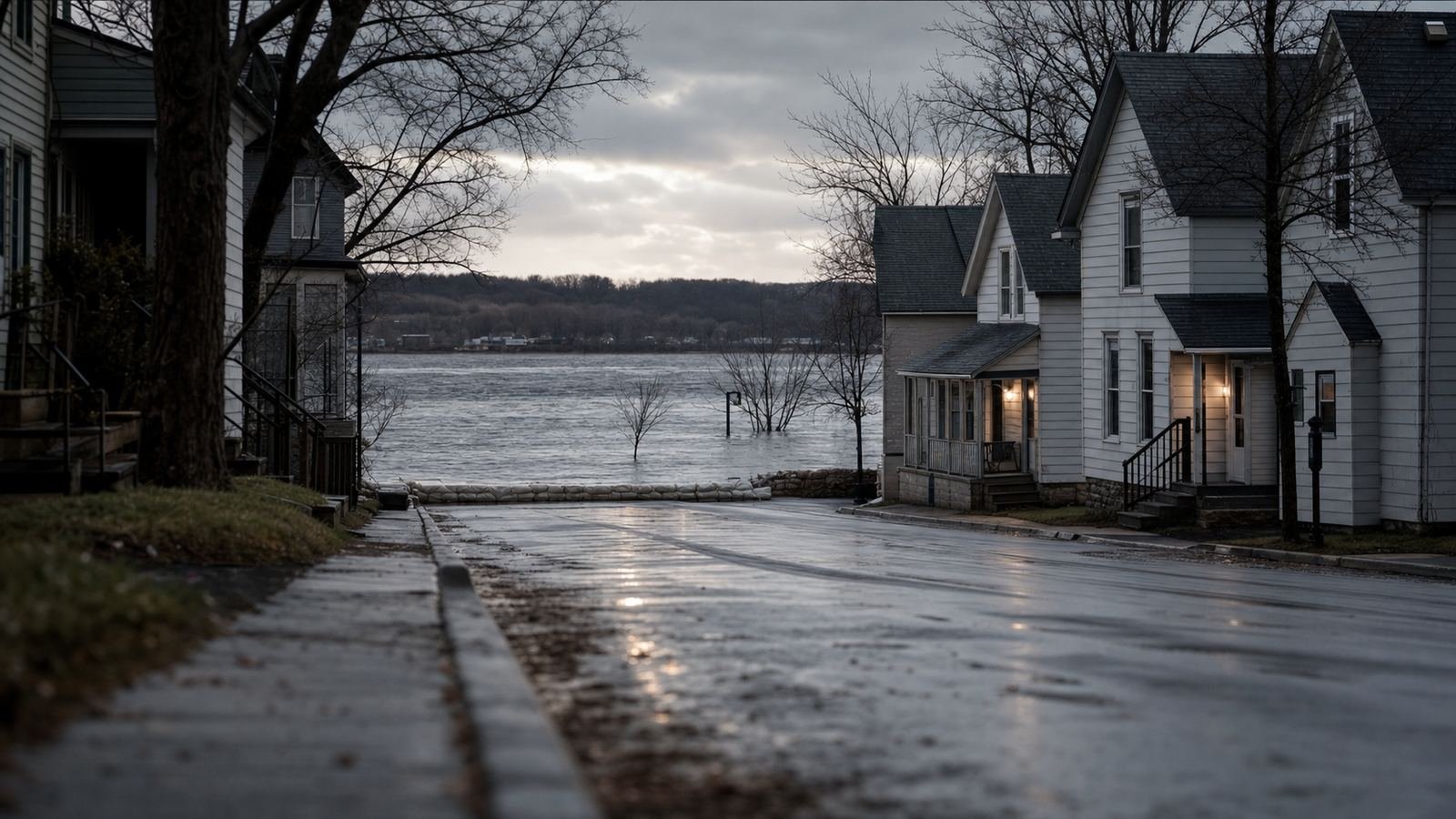
The Minnesota River is part of the local context. During a documented high-water event, the Lower Minnesota River Watershed District reported heavy spring and summer rain, a temporary levee in Carver, and a closure of Main Street West through downtown. The watershed district’s flood update shows why river and surface-water conditions should not be treated like a broken pipe. The City of Carver also states that it participates in the National Flood Insurance Program, making flood insurance available to residents regardless of location.
Season changes the likely source. Spring thaw and river or surface-water conditions can expose drainage and flood vulnerabilities. Summer storms can overwhelm exterior drainage or contribute to backup conditions. Winter brings the separate risk of frozen plumbing and ice-related roof or ceiling leaks. Your evidence should record the date, weather, source, and route water took because those facts matter for safe cleanup and insurance review.
Insurance in plain terms
Do not label every wet basement a “flood” when you report it. Describe what happened: for example, “a supply line split,” “water came through the floor drain,” or “river or surface water entered.” The policy and cause determine coverage. The National Association of Insurance Commissioners says homeowners policies cover a sudden and accidental discharge from a plumbing system, while maintenance and freezing precautions can affect a frozen-pipe claim. NAIC’s burst-pipe guidance
Standard homeowners coverage is different from flood insurance and different again from sewer or sump backup coverage. Minnesota Commerce says a typical homeowners policy and flood insurance do not cover sewer backups or a sump pump’s inability to handle runoff from a major downpour; a separate product or endorsement is needed. Minnesota Department of Commerce guidance is a starting point, not a replacement for your declarations page, endorsements, deductible, and adjuster’s determination.
Document first, report promptly, and take reasonable steps to prevent added damage without putting yourself at risk. Keep receipts. Do not discard significant damaged items before asking the insurer whether it needs an inspection.
Serving Carver and Carver County
This site is written for homeowners, small commercial properties, and property managers serving Carver and Carver County. It links to situation-specific guidance and a service areas page for the locations covered. If you are deciding whether a condition is an emergency, use the safety guidance above rather than relying on a web page alone.
How this site works
This is an educational local-service website, not a directory of ratings or a source of guaranteed outcomes. It does not publish fabricated reviews, certifications, response times, prices, staff biographies, or an address. It explains common restoration steps, points to public sources, and links you to a form-based contact page to request help. Read more about the site’s approach on About.
What to do next
Start with what to do first when you find water if the event is active. Then use the water damage restoration guide for the overall process or flooded basement cleanup when water is below grade.
Questions people ask
What should I do first if I find water in my home?
Stay clear of electrical hazards, stop the water only if you can reach the shutoff from a dry location, and document the source and affected rooms. If you smell gas, see structural damage, or cannot access the electrical panel safely, leave and seek emergency help.
Is floodwater different from a broken pipe?
Yes. Water from a broken indoor supply line may begin as clean water, while river, storm, and sewer water can carry contaminants. The source affects safe cleanup, materials that can be saved, and insurance questions.
Does standard homeowners insurance cover water damage?
It depends on the cause and policy. Sudden accidental discharge from plumbing is often addressed differently from flood, seepage, or sewer backup; read the policy and report the loss promptly.
Sources and further reading
- CDC cleanup safety guidance
- Carver County Hazard Mitigation Plan
- City of Carver official site
- Lower Minnesota River Watershed District flood update
- Minnesota Department of Commerce sewer backup guidance
- EPA mold and moisture guide
- NAIC water damage and burst-pipe guidance
External guidance is summarized in plain language on this page. Where an agency updates its guidance, the agency page is the authority.