Coverage built around the water emergency
Water does not wait for a convenient appointment. It spreads from the obvious wet area into carpet backing, framing, insulation, baseboards, and the contents of a finished room. That is why service geography matters: a useful emergency coverage ring is close enough and organized enough to start with the right questions, determine whether water is still entering, and move from removal to controlled drying without treating every loss as the same problem.
This service area is centered on Carver and the core Carver County ring: Carver, Chaska, Chanhassen, Victoria, Waconia, Cologne, and Norwood Young America. The purpose is not to imply an office in each community. It is to give homeowners, property managers, and small building owners a clear local route to water removal, cleanup, structural drying, and documentation when water has entered a property.
If water is near an electrical panel, outlets, appliances, or a gas appliance, stay out of the area and use qualified emergency help. Do not enter water that may contain sewage, and do not run equipment through standing water.
Why the local map affects the first hours
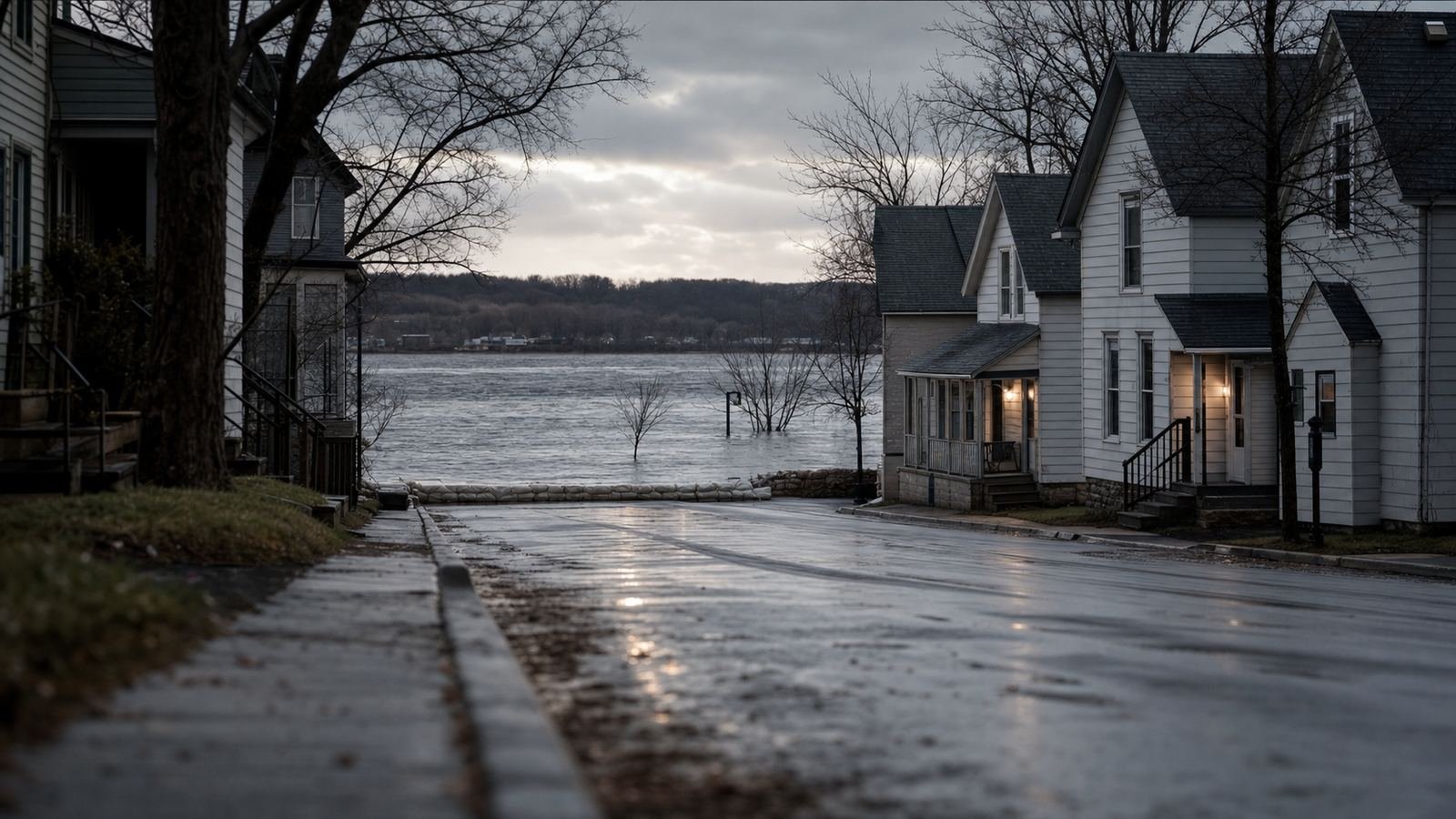
The first decision is the source of the water. A supply-line break may be stopped at a valve. A sump failure may be tied to groundwater or intense rain. A sewer backup needs a contamination-aware cleanup plan. A river or lake event can affect access, drainage routes, and how long exterior water remains high. The next decision is what has become wet: hard flooring, carpet, drywall, insulation, cabinets, or the framing below a finished basement.
Response geography matters because these conditions can arrive together across Carver County. During a major storm, several homes can have roof intrusion, surface-water entry, overloaded drainage, or sump-pump problems at the same time. A local plan needs to distinguish a dryable lower level from materials that need controlled removal, and it needs to document the condition before repairs hide the cause. The county’s hazard-mitigation work treats flooding as an ongoing community risk, and its weather page provides links to Minnesota River and Crow River observations and predictions rather than assuming one gauge represents every property (Carver County hazard planning; river-gauge information).
The Minnesota River corridor: Carver and Chaska
Carver and Chaska are the east-side river communities in this ring. Their water-risk context includes the Minnesota River, mapped floodplain considerations, older downtown fabric, new neighborhoods, and ordinary building-water failures that have nothing to do with river levels. Carver’s long-range water-resources plan specifically addresses floodplain management and the need to manage runoff and development in flood-prone areas (City of Carver plan).
For a property near the river corridor, treat a high-water warning as a prompt to protect documents, valuables, and low-level contents; review the route to a safe shutoff; and watch conditions without entering water. It does not replace the need to act on an indoor leak. A dishwasher line, water heater, frozen pipe, or backed-up drain can cause a major loss well away from the river.
The lake and wetland side of the ring
Chanhassen, Victoria, and Waconia have a different but equally important water profile: lakes, wetlands, stormwater ponds, shoreline and low-area drainage, plus large numbers of homes with finished lower levels. Local stormwater systems reduce risk; they do not guarantee that a basement drain, sump system, or private foundation drainage will keep up with every event. Waconia sits on the south shore of Lake Waconia, a roughly 3,200-acre lake, and the city notes that it does not itself maintain the lake (City of Waconia lakes information). That distinction is useful after a water event: lake conditions, municipal infrastructure, and conditions inside a private home are related but not interchangeable.
In lake-heavy areas, water damage may begin with wind-driven rain, a roof or flashing defect, foundation seepage after prolonged rain, a failed sump pump, or a plumbing failure in a finished lower level. The response still starts indoors: stop the source if it is safe, protect people from electrical and contaminated-water hazards, take photos before moving items when possible, and start removal and drying.
The west county and rural-edge context
Waconia, Cologne, and Norwood Young America combine established neighborhoods, new construction, open land, and rural-edge properties. That mix matters. An older home may have a fieldstone or block foundation, aging branch plumbing, floor drains, or past water repairs that deserve careful inspection. A newer home can have a deep finished basement, drain tile, a sump basin, and many concealed water connections. Properties outside a city utility pattern may also depend on private wells or individual septic systems; those systems create a different set of questions if groundwater, wastewater, or a backup is involved.
Storm exposure in the western ring also means exterior grading, downspout discharge, and drainage paths deserve attention after the immediate cleanup. Water removal is not a diagnosis of the whole site. It is the step that makes safe inspection and drying possible.
What service applies to your situation
| What you are seeing | Immediate concern | Relevant service |
|---|---|---|
| Water is spreading across a floor | Stop safe sources and remove standing water | Emergency water removal |
| Water is in a basement after rain or sump failure | Protect electrical safety and assess affected materials | Flooded basement cleanup |
| A supply line froze or burst | Shut off water if safe; document the origin | Burst or frozen pipe cleanup |
| Water smells like sewage or came from a drain backup | Avoid contact and keep people out of the area | Sewage backup cleanup |
| Materials feel damp after water is gone | Confirm drying beyond visible surfaces | Structural drying |
| A prior water event left staining or musty odor | Find and correct moisture before remediation | Mold remediation after water damage |
A simple first-hour sequence
First, get people and pets away from electrical hazards and any suspected sewage. Second, stop a plumbing source only if it is safe to do so. Third, move dry contents from the wet area if you can do it without lifting heavy wet materials or entering unsafe water. Fourth, take clear photos of the source, water path, and affected rooms. Fifth, record when you first noticed the problem and whether water is still entering. Those details help determine whether you need emergency water removal, flooded basement cleanup, or another restoration path.
What to do next
Choose the page for your community above, then review water damage restoration, emergency water removal, or structural drying for the next practical step.
Questions people ask
Which Carver County communities are covered?
Coverage centers on Carver, Chaska, Chanhassen, Victoria, Waconia, Cologne, and Norwood Young America. The first step is to submit the property address and what is happening so the situation can be assessed.
Does a river or lake near my home mean the water damage is flood damage?
Not necessarily. A failed sump pump, plumbing break, roof leak, sewer backup, or rising surface water can each call for a different safety and cleanup approach. Identify whether water is still entering and avoid contact with suspected sewage or electrical hazards.
Should I wait to see whether a wet basement dries on its own?
Standing water and damp building materials should be addressed promptly. Visible water removal is only part of the work; the affected structure needs a drying plan and moisture checks.
Sources and further reading
- Carver County Hazard Mitigation Plan
- Carver County Flood and River Gauge Information
- City of Carver Water Resources Plan
- City of Waconia Lakes
External guidance is summarized in plain language on this page. Where an agency updates its guidance, the agency page is the authority.